
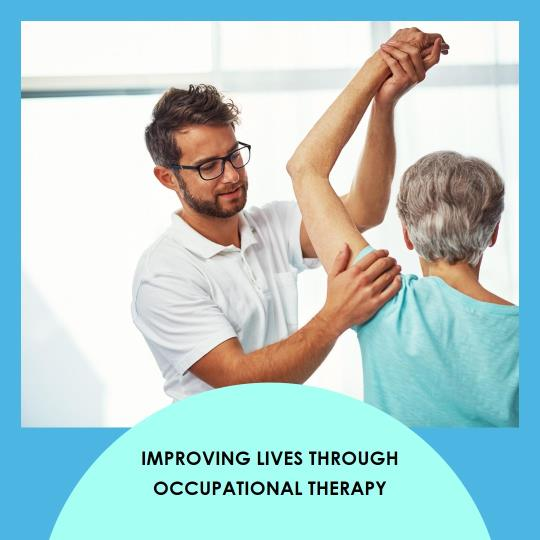
For some years now when I converse with Occupational Therapists around the world, it appeared that we have somewhat of an identity crisis. However, I think this is the case because Occupational Therapy is such a unique calling in that our OT toolkit can be as diverse, varied, and dynamic as we want it to be. To remain relevant, valid, and holistic.
Occupational Therapy: Clarifying the Identity
Quite often being mistaken as Physical Therapists, Teachers, Doctors, Nurses etc. Every other healthcare professional except Occupational Therapists. And I wonder if it is partly because of our own shyness as we blurt out under our breath “Occupational Therapist”, whilst we introduce ourselves to clients. I know I do this sometimes… ok, almost all the time. In the back of my mind wondering if my client and their caregivers would even know what I just mumbled. Flashing memories of the times as a young Therapist, having to persuade patients in the wards to participate in Occupational Therapy.
But what exactly is Occupational Therapy (OT)?
At its core, OT is person-centered and holistic. It engages clients in meaningful activities tailored to their specific needs and goals. Whether it’s recovering from an injury or managing a congenital condition, OT aims to optimize independence through thoughtful, personalized care.
The Philosophy of Occupational Therapy
Occupational Therapy is built on a solid foundation of values: justice, independence, empowerment, inclusivity, and consideration. These principles guide OTs in their interactions with clients, ensuring that each individual receives the care and attention they deserve.
Lifespan Applications of Occupational Therapy
Occupational Therapy knows no age limits. It can be applied throughout a person’s life, from childhood to older adulthood. Whether it’s addressing school-related issues, providing palliative care, assisting the homeless, or ensuring Occupational Health and Safety on an oil rig, OT plays a vital role.
The Magic of Occupational Therapists
Occupational Therapists often appear to have a magical touch in their approach to problem-solving. Their creativity and unique perspective on situations can make a significant difference in the lives of their clients. In many ways, they are akin to Mary Poppins or Harry Potter, bringing a touch of enchantment to their work.

Finding the Right Fit
When you do get a chance to work with an Occupational Therapist, the question is, how do you know if he/she is the right fit for you?
Well, just like any other healthcare professional you work with, the both of you need to feel comfortable and safe with each other. Sometimes, the process takes meeting a few therapists before finding the right one and that is perfectly OK!
Now, let’s address some frequently asked questions about Occupational Therapy (OT):
FAQs About Occupational Therapy (OT)
Q: What is the primary focus of Occupational Therapy (OT)?
A: Occupational Therapy (OT) focuses on enhancing a person’s ability to engage in meaningful activities, with the goal of promoting independence and well-being, particularly after injury or illness.
Q: How is Occupational Therapy different from Physical Therapy?
A: While both fields aim to improve a person’s quality of life, Occupational Therapy focuses on daily activities and tasks, whereas Physical Therapy concentrates on mobility and physical function.
Q: Can Occupational Therapy benefit children?
A: Absolutely. Occupational Therapy can be highly beneficial for children, addressing issues related to sensory processing, developmental delays, and learning difficulties.
Q: Is Occupational Therapy limited to clinical settings?
A: No, Occupational Therapy can be applied in a variety of settings, including schools, homes, workplaces, and even community outreach programs.
Q: How do I choose the right Occupational Therapist for my needs?
A: Finding the right Occupational Therapist involves assessing their expertise, approach, and your comfort level with them. Don’t hesitate to explore multiple options before making your choice.
Q: Is Occupational Therapy a long-term commitment?
A: The duration of Occupational Therapy varies depending on the individual’s needs. Some may require short-term interventions, while others may benefit from ongoing support.
Conclusion
Occupational Therapy (OT) is a multifaceted healthcare profession dedicated to promoting independence and well-being. It encompasses a wide range of applications, guided by a philosophy of justice, empowerment, and inclusivity. When seeking the assistance of an Occupational Therapist, remember that finding the right fit is essential for a successful therapeutic journey. OTs are there to bring a touch of magic to your life, helping you find beauty and meaning in everyday activities.
Leave a Reply