
Introduction
In the realm of complementary therapies, Reiki stands out as a holistic practice that aims to promote healing and overall well-being. Originating in Japan in the early 20th century, Reiki has gained popularity worldwide for its gentle yet powerful approach to restoring balance on physical, emotional, and spiritual levels.
What is Reiki?
Reiki, derived from the Japanese words “rei” (universal) and “ki” (life energy), is a form of energy healing that channels universal life force energy through the practitioner’s hands to the recipient. It operates on the principle that energy flows within and around us, and disruptions or blockages in this energy can lead to physical or emotional imbalances.
Brief History of Reiki
The practice of Reiki was developed by Mikao Usui in the early 1920s in Japan. Usui’s journey of spiritual awakening led him to discover Reiki as a method for healing and self-realization. Since then, Reiki has evolved into various forms and lineages, each with its own techniques and philosophies.
Importance of Reiki in Complementary Therapy
In the modern healthcare landscape, there’s a growing recognition of the importance of holistic approaches to wellness. Reiki offers a non-invasive and gentle means of addressing imbalances in the body’s energy system, complementing conventional medical treatments and promoting a sense of relaxation and inner harmony.
Symptoms and Signs
Physical Symptoms Alleviated by Reiki
Reiki has been reported to alleviate a wide range of physical symptoms, including pain, inflammation, fatigue, and digestive issues. By promoting relaxation and stress reduction, Reiki supports the body’s natural healing processes and enhances overall vitality.
Emotional and Mental Symptoms Addressed by Reiki
On an emotional and mental level, Reiki can help reduce anxiety, depression, and feelings of overwhelm. Many recipients experience a sense of peace and clarity after a Reiki session, allowing them to better cope with life’s challenges and cultivate a positive outlook.
Causes and Risk Factors
Energetic Imbalances
Energetic imbalances can arise from various sources, including past traumas, negative thought patterns, and environmental stressors. These imbalances disrupt the flow of energy within the body and contribute to physical and emotional discomfort.
Environmental Stressors
Factors such as pollution, electromagnetic radiation, and exposure to toxins can disrupt the body’s energy field and weaken the immune system. Reiki helps to clear these energetic disturbances and restore harmony to the body-mind-spirit complex.
Lifestyle Factors Contributing to Energy Blockages
Unhealthy lifestyle habits, such as poor diet, lack of exercise, and chronic stress, can create blockages in the body’s energy channels. Through regular Reiki practice and lifestyle adjustments, individuals can support the free flow of energy and promote overall well-being.
Diagnosis and Tests
Energy Assessment Techniques
Practitioners trained in Reiki often use intuitive sensing techniques to assess the recipient’s energy field and identify areas of imbalance. This may involve scanning the body with their hands or tuning into subtle energetic cues.
Intuitive Diagnosis in Reiki Practice
Intuitive diagnosis goes beyond physical symptoms to uncover the root causes of illness or discomfort. Reiki practitioners may receive insights or impressions intuitively during a session, guiding them in tailoring the treatment to the individual’s needs.
Treatment Options
Hands-on Reiki Healing
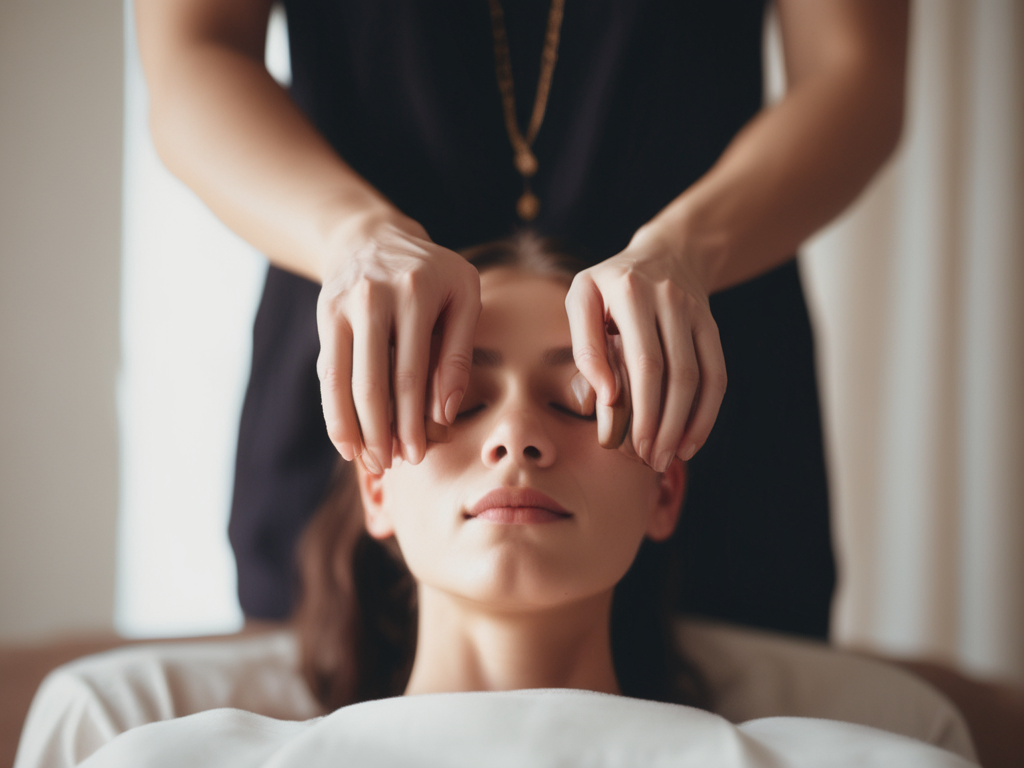
In a hands-on Reiki session, the practitioner places their hands lightly on or near the recipient’s body, allowing the Reiki energy to flow where it is needed most. The gentle touch induces a state of deep relaxation, promoting self-healing and stress relief.
Distant Reiki Healing
Distant Reiki allows practitioners to send healing energy across time and space to recipients who are not physically present. This remote healing modality is based on the principle of energetic interconnectedness and can be just as effective as in-person sessions.
Group Reiki Sessions
Group Reiki sessions offer the collective benefits of shared intention and amplified energy. Participants gather in a sacred space to receive Reiki together, fostering a sense of community and mutual support on their healing journeys.
Reiki Combined with Other Complementary Therapies
Reiki can be seamlessly integrated with other complementary therapies, such as acupuncture, massage, and aromatherapy, to enhance their effectiveness. This holistic approach addresses the physical, emotional, and spiritual aspects of healing for comprehensive wellness.
Preventive Measures
Regular Reiki Practice for Self-care
Engaging in regular Reiki practice, whether through self-treatments or receiving sessions from a practitioner, helps maintain energetic balance and supports overall health and vitality. Consistency is key to reaping the full benefits of Reiki over time.
Incorporating Reiki into Daily Routines
Simple practices like Reiki self-treatment, intention-setting, and gratitude exercises can be woven into daily routines to cultivate mindfulness and inner peace. These small but powerful rituals create a foundation for holistic well-being.
Creating a Supportive Energetic Environment
Creating a supportive energetic environment at home or in the workplace can further enhance the benefits of Reiki practice. This may involve clearing clutter, incorporating sacred objects or symbols, and setting positive intentions to promote harmony and balance in the space.
Conclusion
In conclusion, Reiki plays a vital role in complementary therapy by harnessing the body’s natural healing abilities and restoring balance to the physical, emotional, and spiritual aspects of health. From its humble origins in Japan to its widespread adoption worldwide, Reiki continues to empower individuals on their healing journeys.
Whether used as a standalone treatment or integrated with other modalities, Reiki offers a gentle and effective approach to wellness that honors the interconnectedness of mind, body, and spirit. As we continue to explore the potential of holistic healing, let us embrace Reiki as a valuable tool for promoting health, happiness, and harmony in our lives.
Leave a Reply