
Introduction
In today’s fast-paced world, many parents notice that their children struggle with paying attention, completing tasks, or staying engaged in schoolwork. While some of this may be developmental, persistent challenges with focus can affect learning, confidence, and daily routines. Occupational Therapy (OT) offers practical and evidence-based strategies to help children build focus, attention, and self-regulation skills. At The Private Practice (TPP), Singapore, our team of accredited therapists specialises in helping children strengthen these skills so they can thrive academically and socially.
Understanding Focus and Attention in Children
Focus is not just about “sitting still” — it involves the brain’s ability to filter distractions, sustain attention, and shift between tasks when needed. Some children may face difficulties due to:
- Sensory processing challenges
- ADHD or executive functioning difficulties
- Anxiety or emotional regulation issues
- Developmental delays
Occupational therapy provides tailored interventions that meet each child at their current level of development.
How Occupational Therapy Helps Improve Focus
1. Sensory Integration Therapy
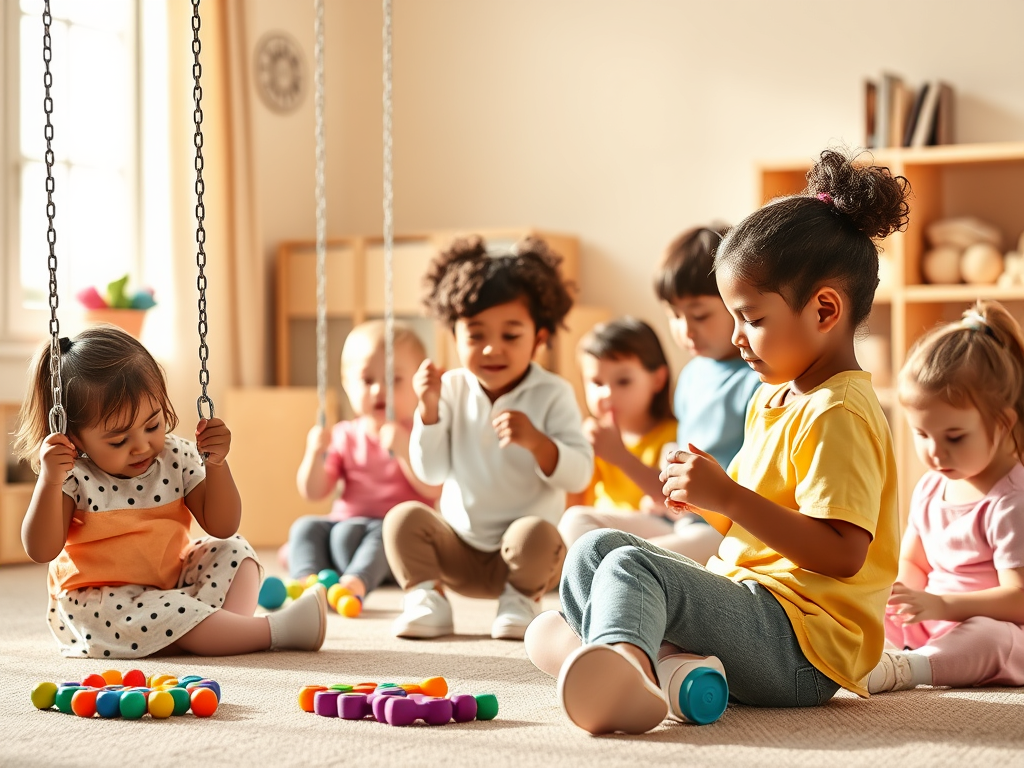
Children often struggle with attention because their sensory systems (touch, sound, movement, sight) are either over- or under-responsive. OT uses sensory-based activities such as swings, weighted tools, and tactile play to help children regulate their sensory input, making it easier for them to focus in classrooms and at home.
2. Executive Functioning Support
Occupational therapists teach strategies to strengthen executive functions like planning, organising, and task initiation. This helps children transition smoothly between activities and stay engaged longer.
3. Self-Regulation Techniques
Through breathing exercises, mindfulness, and movement breaks, children learn to manage frustration, calm themselves, and re-engage in tasks. This is particularly beneficial for children with ADHD or anxiety.
4. Fine and Gross Motor Activities
Strengthening motor coordination helps children develop stamina for classroom tasks such as writing, cutting, and sitting upright for longer periods — all of which indirectly support focus.
5. Environmental and Classroom Modifications
Occupational therapists may recommend adjustments like visual schedules, fidget tools, or specific seating arrangements to minimise distractions and optimise learning.
Why Occupational Therapy in Singapore?
At The Private Practice, Singapore, our multi-disciplinary team — including psychologists, speech therapists, and occupational therapists — ensures that children receive holistic support. With specialisation in child development, maternal and infant mental health, and school-based interventions, our accredited therapists design individualised programmes that empower both children and parents.
If you’ve been searching for “occupational therapy for kids near me” or want to learn how therapy can support your child’s focus and overall development, TPP is here to help.
Other links you might find helpful
- Managing Anxiety in a High-Performance Culture (Singapore Context)
- OT at Work: Redesigning Routines for Productivity & Wellness
FAQs About Occupational Therapy for Focus
1. How do I know if my child needs occupational therapy?
If your child has consistent difficulty paying attention, following routines, or managing emotions that affect learning or play, an OT assessment can help identify underlying issues.
2. Is occupational therapy the same as tutoring?
No. Tutoring addresses academic content, while OT builds the foundational skills (attention, self-regulation, motor skills) that make learning possible.
3. How long will my child need OT?
The duration varies depending on the child’s needs. Some benefit from short-term strategies, while others require longer-term support for sustained improvement.
Conclusion
Improving focus is not about expecting children to “try harder” — it’s about equipping them with the right tools and strategies. With occupational therapy, children in Singapore can develop stronger attention, better self-regulation, and the confidence to succeed in school and beyond.
At The Private Practice, we are committed to walking alongside families to support every child’s journey toward growth and resilience.
Leave a Reply