
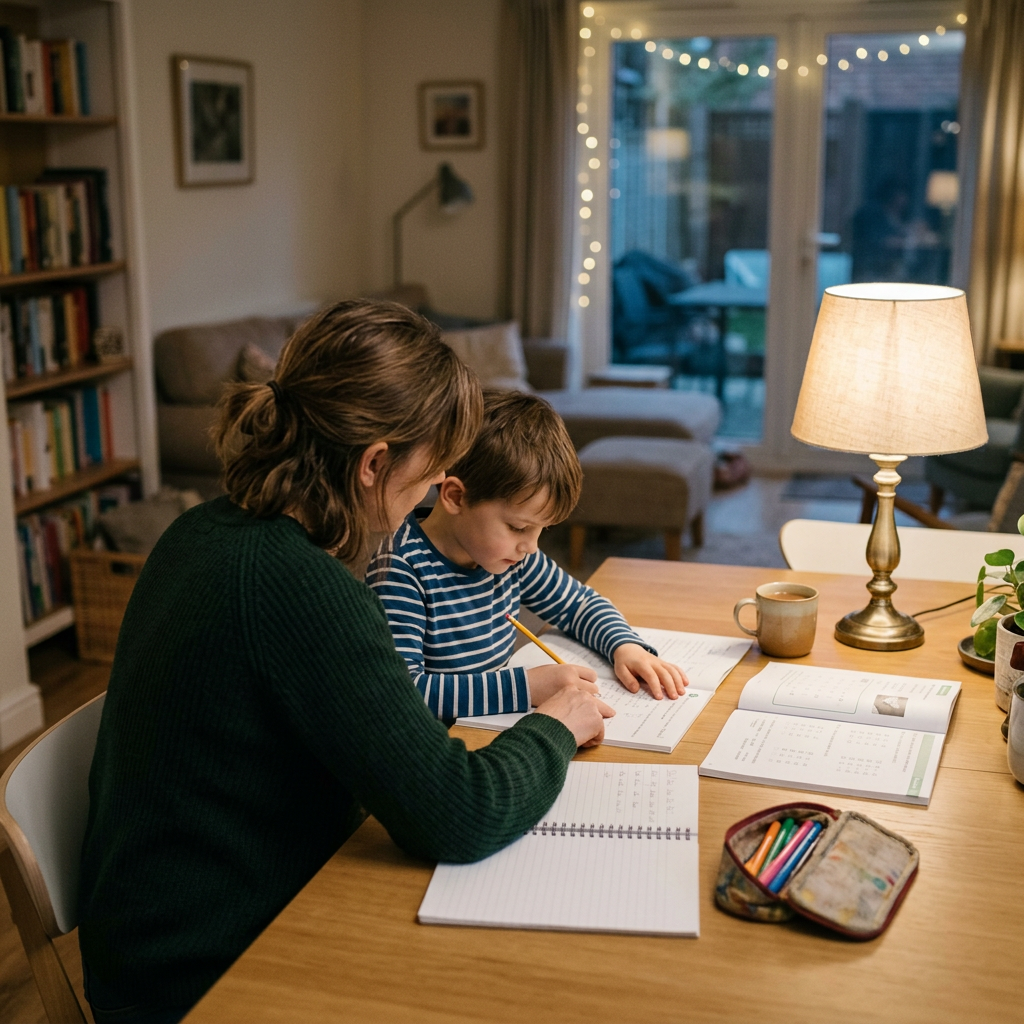
For many families in Singapore, evening homework time transforms the living room into a nightly battleground. When a child constantly avoids assignments, dissolves into tears over simple math problems, or exhibits explosive anger when asked to read, it is easy for exhausted parents to write it off as defiance or “just being lazy.” However, when homework resistance is chronic and severe, it is rarely a discipline issue. Instead, it is often a behavioral cry for help from a child who is masking a genuine cognitive roadblock.
At The Private Practice, we understand the immense strain these daily battles place on the entire household. Differentiating between normal academic resistance and an underlying learning difficulty requires a closer look. A formal educational assessment can replace guesswork and frustration with a clear, supportive roadmap for your child’s success.
The Difference Between Defiance and Genuine Learning Delays
To effectively support your child, you must first decipher whether their pushback is a standard phase of growing independence, or a nervous system response to a task their brain is struggling to process.
| Feature | Typical Homework Resistance | Signs of a Learning Delay |
| Behavioral Trigger | Complains about starting the work because they would rather be playing, but can complete it once focused. | Severe emotional dysregulation (crying, hiding, aggression) triggered by specific subjects like reading or math. |
| Pacing and Retention | Might rush through work to finish quickly. | Spends hours on a 20-minute assignment; forgets concepts they mastered just the day before. |
| Self-Esteem Impact | Views homework as a chore, but generally feels capable at school. | Expresses intense self-doubt, using phrases like “I’m stupid” or “My brain doesn’t work right.” |
| Physical Symptoms | Minimal physical complaints. | Frequently complains of stomach aches, headaches, or extreme fatigue exclusively during homework time. |
When a child feels inherently incapable of meeting expectations, their nervous system perceives the homework as a threat. The resulting “defiance” is actually a fight-or-flight response.
Why Choose a Private Educational Assessment in Singapore?
If your child’s struggles align with the signs of a learning delay, relying on standard disciplinary tactics will only fracture your parent-child bond and deepen their academic anxiety. Seeking a formal educational assessment provides clarity.
By choosing a private assessment, you bypass the notoriously long waitlists often found in public channels, securing immediate answers for your child. More importantly, an educational assessment at a multidisciplinary center like ours goes beyond simply testing for conditions like Dyslexia, Dyscalculia, or ADHD. It provides a comprehensive profile of your child’s unique cognitive strengths, working memory, and processing speed, allowing us to build a customized intervention plan.
The Private Practice Approach: Holistic Support for the Whole Family
An assessment is just the beginning. Discovering a learning delay impacts the entire family dynamic, which is why we provide a wrap-around care model:
- Building Resilience: Through tailored private counselling in Singapore, our child psychologists help your child repair the self-esteem damage caused by years of academic struggle, teaching them self-advocacy and emotional regulation skills.
- Parental Scaffolding: Managing a child’s learning delay is exhausting. We integrate the Circle of Security framework to help parents manage their own frustration, ensuring they can remain a calm, “secure base” when their child is experiencing a homework meltdown.
Corporate Resilience: Supporting Working Parents via EAP in Singapore
The stress of a nightly homework battle does not disappear when parents clock into work the next morning. Working professionals managing a child’s undiagnosed learning difficulty are highly susceptible to burnout, absenteeism, and chronic distraction.
Forward-thinking organizations partner with The Private Practice to modernize their EAP in Singapore. By incorporating robust family support—including priority access to child educational assessments and parent coaching—companies actively protect the psychological safety and productivity of their working parents.
When you support an employee’s family, you secure the employee’s focus. Contact our B2B wellness team today to integrate comprehensive pediatric and family care into your corporate benefits framework.
Leave a Reply